Why Cabinet Refinishing Enhances Cabinet Longevity
Revitalize Your Kitchen: The Advantages of Cabinet Refinishing
Cabinet refinishing presents a practical solution for homeowners looking to enhance their kitchens without the financial burden of total cabinet replacement. This technique not only restores the aesthetic of existing cabinets but also supports eco-friendly practices by minimizing waste. With an extensive selection of finishes and colors to choose from, homeowners can attain a tailored aesthetic. However, the process requires careful planning and consideration. What are the key steps to ensure a successful transformation?
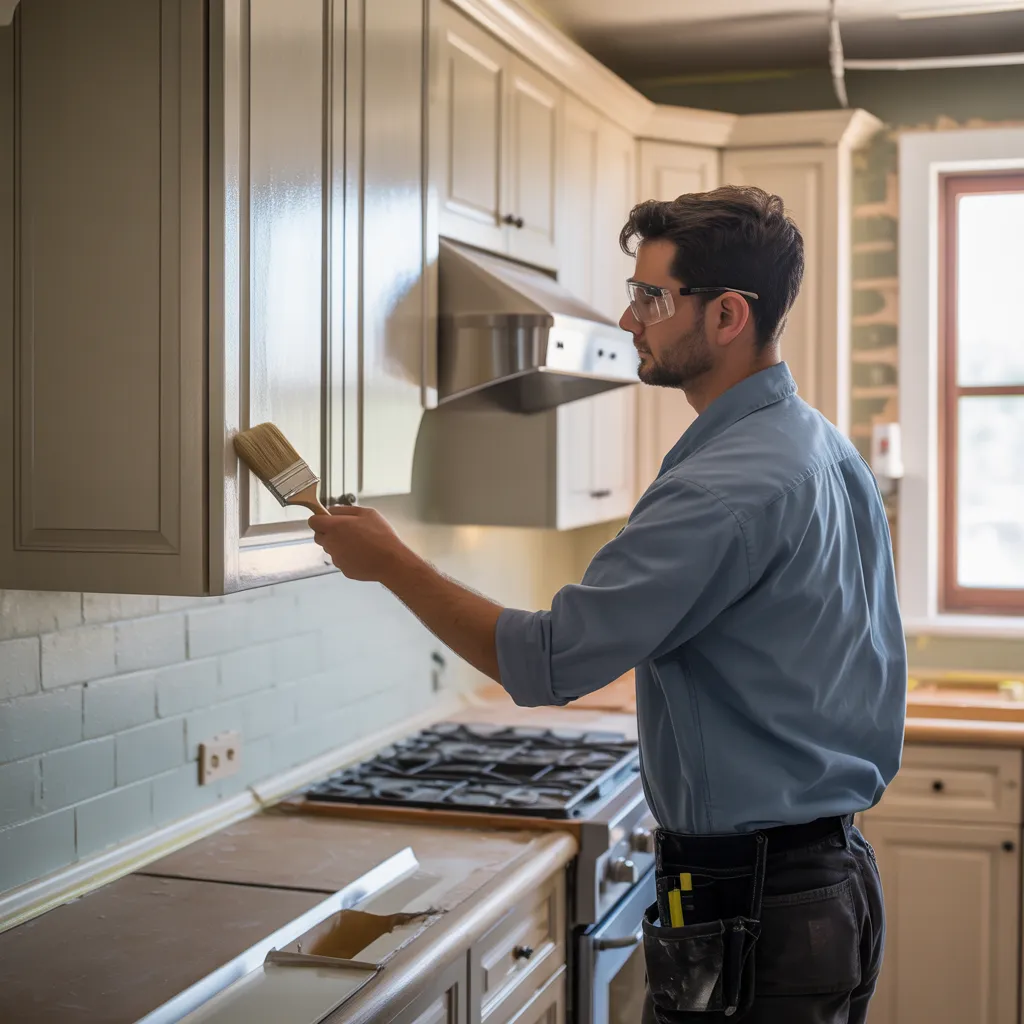
Steps to Successfully Refinish Your Cabinets
Refacing cabinets requires a series of careful steps that will dramatically improve a kitchen's appearance. The procedure commences with thorough cleaning, making sure all dirt and residue are eliminated. Next, hardware must be detached, providing improved reach to all cabinet surfaces. Sanding is then performed, which allows the fresh coat to bond effectively by producing a uniform surface.
Once sanding is complete, you should remove dust using a damp cloth. The following step involves applying a primer, which strengthens the overall finish. When the primer is fully dry, the refinishing process can commence, typically involving multiple coats of paint or stain. Each coat requires adequate drying time to achieve a flawless look. As a final step, when the last coat has completely dried, putting the hardware back in place finishes the job. By carefully executing these steps, homeowners can transform their kitchen's look without the expense of a complete remodel.
Picking Finishes and Colors for Cabinet Refinishing
Choosing the perfect finishes and colors for cabinet refinishing can have a major effect on the general appearance of a room. Popular color trends regularly evolve, shaping selections of colors that enhance the surrounding decor. Furthermore, understanding a range of finish options and how they suit specific styles and themes is crucial for creating a unified appearance.
Trending Color Choices
What colors and finishes are now attracting homeowners who want to renovate their cabinetry? Soft neutrals, such as warm grays and creamy whites, are popular choices, delivering an enduring and flexible base for diverse kitchen aesthetics. In addition, deep blues and earthy greens are becoming increasingly sought after, offering a bold statement while maintaining elegance. These vibrant shades produce a compelling contrast alongside lighter surfaces and fixtures. Another emerging trend includes the use of matte finishes, which deliver a contemporary and polished appearance, moving away from glossy surfaces. Homeowners are also exploring two-tone cabinetry, combining different colors for a dynamic and personalized aesthetic, enabling artistic expression while boosting visual appeal throughout the kitchen area.
Finish Types Explained
With popular color trends like soft neutrals and bold hues enchanting homeowners, picking the ideal finish is becoming more essential in cabinet refinishing. Various finish types serve different aesthetic and functional purposes. To illustrate, a matte finish delivers a sleek, understated aesthetic, whereas a glossy finish boosts durability and allows colors to stand out. Satin finishes offer a middle ground, delivering a gentle sheen that suits a range of styles. Moreover, water-based finishes are popular for their reduced odor and faster drying time, while oil-based alternatives provide a rich, intense color but demand extended drying periods. Recognizing these differences enables homeowners to select finishes that both reflect current trends and satisfy their individual needs and preferences, securing a truly successful cabinet refinishing outcome.
Harmonizing Styles and Themes
When homeowners embark on the task of cabinet refinishing, aligning finishes and colors with existing styles and themes becomes essential for achieving a cohesive look. Choosing the appropriate colors and finishes can elevate the kitchen's overall appearance, whether opting for a modern, rustic, or traditional style. For modern interiors, sleek, glossy finishes in neutral tones may be ideal, while softer, flat finishes pair beautifully with farmhouse aesthetics. Moreover, opposing color choices can generate visual intrigue when combined carefully with countertops and backsplashes. Homeowners ought to evaluate current elements, including flooring and appliances, to ensure consistency. By thoughtfully coordinating styles and themes, restored cabinets can turn the kitchen into a harmonious and appealing environment.
Why Cabinet Refinishing Is Better Than Replacement
Although the appeal of new cabinets is understandable, cabinet refinishing offers a highly practical and cost-effective solution for those wanting to revitalize their kitchen areas. Refinishing allows individuals to maintain their existing cabinetry while updating its appearance, saving both precious time and hard-earned money. This process involves stripping, sanding, and repainting or staining the cabinets, producing a revitalized aesthetic without the expense of total replacement.
In addition, refinishing minimizes waste and is more environmentally friendly than discarding old cabinets. The foundational structure is maintained, securing durability while minimizing the carbon emissions tied to fabricating new cabinets. Homeowners can also customize finishes to match their evolving style, achieving a personalized touch without extensive renovations. Overall, cabinet refinishing proves to be a wise investment, providing both aesthetic upgrades and eco-friendly benefits, all while circumventing the substantial costs and disturbances tied to total cabinet replacement.
How Affordable Is Cabinet Refinishing?
Cabinet resurfacing presents a economical solution for homeowners looking for improvements pursuing an upgrade. By significantly reducing material costs and reducing the cost of labor, this option emerges as an compelling alternative to total cabinet replacement. As a result, refinishing enables a renewed look without straining the budget.
Reduced Material Costs
When homeowners want to revitalize their kitchens, opting for cabinet refinishing emerges as a financially savvy choice. Unlike full cabinet replacement, which involves purchasing new materials and hardware, refinishing focuses on enhancing existing structures. This method significantly lowers material costs, given that it largely needs paint, stain, and sealants as opposed to whole new cabinets. Moreover, refinishing does away with the requirement for pricey new cabinetry, which can drive up total project expenses. Homeowners can attain a fresh new appearance without the monetary strain of acquiring and installing new materials. By choosing refinishing, they not only cut expenses but also reduce waste, making it a sustainable alternative. Therefore, cabinet refinishing stands out as a practical solution for those looking to revitalize their kitchens economically.
Minimized Labor Expenditures
Updating kitchen appearances grows more affordable with decreased labor fees connected to cabinet refinishing. In contrast to complete cabinet replacement, which typically demands significant installation work, refinishing usually requires less demanding work processes. Skilled professionals can efficiently strip, sand, and repaint existing cabinets without the necessity of structural changes. This efficient method not only reduces project duration but also decreases labor time, resulting in significant cost savings for homeowners. Furthermore, most refinishing jobs can be finished within just a few days, reducing disruption in the household. By concentrating on surface upgrades instead of total replacements, homeowners can accomplish a renewed aesthetic while controlling overall expenses. Overall, reduced labor costs make cabinet refinishing a financially savvy choice for kitchen transformation.
How Cabinet Refinishing Can Increase Your Home's Value
Refinishing cabinets not only revitalizes a kitchen's aesthetic but also greatly enhances a home's market appeal. Prospective buyers frequently favor modernized kitchens, seeing them as an indicator of thorough home upkeep and attention. A renewed, stylish aesthetic can greatly influence initial impressions, motivating prospective buyers to imagine themselves enjoying the space.
Furthermore, refinished cabinets can create a consistent design, keeping pace with current style trends and increasing the overall value of the property. By selecting refinishing rather than full replacement, residents can realize a luxurious appearance at a fraction of the cost, establishing it as a cost-effective investment that yields returns during resale.
Ultimately, a well-refinished kitchen can distinguish a home from competing properties, often resulting in faster sales and stronger offers. This investment not only enhances the immediate living experience but also functions as a smart strategy for lasting financial benefit.
The Environmental Benefits of Cabinet Refinishing
Cabinet refinishing provides substantial environmental advantages, as it reduces the need for new materials and reduces waste. By choosing to refinish rather than replace cabinets, homeowners can considerably lower the demand for timber and other resources, which helps preserve forests and ecosystems. This practice also reduces landfill contributions, as old cabinets frequently generate considerable amounts of waste.
Furthermore, refinishing typically requires a reduced amount of chemicals and materials than total replacements, contributing to a lower carbon footprint. Using eco-friendly paints and coatings can additionally improve these advantages, decreasing toxic emissions throughout both the production comprehensive guide and application stages.
In addition, the energy usage linked to producing new cabinets is avoided, promoting a more sustainable method of home improvement. Overall, cabinet refinishing doesn't just transforms household areas but also benefits efforts to conserve the environment, making it a prudent decision for eco-conscious homeowners.
Frequent Errors to Steer Clear of When Refinishing Cabinets
Numerous homeowners neglect important factors when restoring cabinet surfaces, resulting in disappointing outcomes. One common mistake is failing to properly clean all surfaces prior to beginning. Grease, dust, and debris can interfere with the correct bonding of paint or stain. Moreover, skipping adequate sanding of the cabinets can result in a rough finish. Many homeowners fail to recognize the significance of choosing a suitable primer; the wrong option can undermine the overall quality and lasting results.
One other typical oversight is neglecting to use high-quality tools, which can result in inconsistent application. Time management is also vital; rushing through the process can yield sloppy results. Additionally, inadequate ventilation during the cabinet refinishing process can present serious health concerns and affect the finish. By avoiding these common pitfalls, homeowners and DIY enthusiasts can attain a polished, professional outcome that boosts the aesthetic appeal and lifespan of their cabinetry.
Common Questions and Answers
How Long Does Cabinet Refinishing Typically Take?
Cabinet refinishing generally requires about three to five days. This period covers preparation, sanding, applying new finishes, and drying. The overall project timeline may be influenced by factors like cabinet size and complexity.
Should I Refinish Cabinets Myself or Hire a Professional?
People have the option to refinish cabinets themselves, cutting expenses while necessitating skill and dedication. Alternatively, hiring a professional ensures high-quality outcomes and reliable efficiency, making it the preferred solution for individuals who lack the skills or tools required.
Which Materials Work Best for Cabinet Refinishing Projects?
For cabinet refinishing projects, quality sandpaper, wood primer, and sturdy paint or stain are required. Furthermore, using a good brush or sprayer guarantees an even finish, while sealants offer defense against wear and moisture.
Can Refinishing Cabinets Impact My Kitchen's Warranty?
Cabinet refinishing could affect the warranty of a kitchen, according to the policies set by the manufacturer. Cabinet owners are advised to consult the warranty paperwork or reach out to the manufacturer directly to confirm the potential impact before starting cabinet refinishing work.
How Can I Keep Refinished Cabinets Looking Great Long-Term?
To keep cabinet refinishes for the long haul, routine cleaning with mild soap, steering clear of harsh chemicals, and using soft cloths is key. Furthermore, controlling humidity and temperature can protect against damage, guaranteeing long-lasting beauty and function.